
Free training: the 3-step system to reclaim your strength, energy and hormonal balance.  Watch now

4 min. read

Feed Your Gut, Heal Your Body: Why Fibre Is So Much More Than Roughage

When you eat an apple, a salad or a bowl of lentils, you probably think you are feeding your body. You are also feeding trillions of tiny organisms living inside you.
Picture of Dr. Lori Broker

Dr. Lori Broker

These microbes, collectively known as your gut microbiome, play an enormous role in your health. They influence digestion, blood sugar, hormones, immunity, inflammation, brain function and even your skin.
One of the most remarkable things they do is produce compounds called short-chain fatty acids, or SCFAs. These are powerful molecules that help keep your gut healthy and your body functioning at its best.

Your Gut Bacteria Are Working for You

Your body cannot digest every type of fibre you eat. Instead, many fibres travel through the small intestine intact until they reach the large intestine, where beneficial bacteria ferment them. During this process they produce short-chain fatty acids, the reward for feeding your microbiome well.

01

Acetate

02

Propionate

03

Butyrate

Smaller amounts of others, like valerate, are produced too. Each compound has its own role, but together they help regulate inflammation, support the immune system, strengthen the gut lining and contribute to overall health.

Why Your Gut Lining Matters

Your intestinal lining is only one cell thick, and it decides what gets into your bloodstream.

When your microbiome is healthy, the SCFAs it produces help keep that protective barrier strong. When the microbiome is disrupted, the barrier can become less effective. Tiny gaps may develop between the cells, a process known as increased intestinal permeability, often referred to as leaky gut.
This can allow bacteria, toxins and partially digested food particles to pass into the bloodstream, activating the immune system and contributing to chronic, low-grade inflammation. Research continues to show that persistent inflammation may play a role in many chronic conditions, including insulin resistance, type 2 diabetes, cardiovascular disease, autoimmune conditions, digestive disorders and even some neurological diseases.

Resistant Starch, a Favourite Food for Your Microbiome

Not all carbohydrates are created equal. Resistant starch escapes digestion in the small intestine and travels directly to the large intestine, where it becomes an excellent food source for beneficial bacteria.
Cooked and cooled potatoes
Cooked and cooled rice
Cooked and cooled oats
Cooked and cooled pasta
Green bananas
Lentils
Beans
Chickpeas
Worth knowing

Cooking and then cooling certain starches changes part of their structure into resistant starch, and much of it survives gentle reheating. Sometimes yesterday’s leftovers are better for your gut than today’s freshly cooked meal.

What Gets in the Way?

Modern life is not particularly kind to our microbiome. SCFA production can decline when we:
Eat too little fibre
Rely heavily on processed foods
Eat very little plant diversity
Experience chronic stress
Sleep poorly
Drink excess alcohol
Take repeated courses of antibiotics
Rarely eat resistant starches

The good news is that the microbiome is remarkably adaptable. Positive changes in diet and lifestyle can begin supporting healthier bacterial communities in a relatively short period of time.

Feed Your Microbiome Well

Supporting your gut does not require perfection. It requires consistency.
01 Eat plenty of colourful vegetables and fruit every day.
02 Include legumes, nuts and seeds regularly if tolerated.
03 Enjoy resistant starches such as cooked and cooled potatoes, rice or oats.
04 Choose polyphenol-rich foods like berries, herbs, spices, green tea and cocoa.
05 Prioritize sleep, regular movement and stress management.

The weekly target

30
different plant foods each week, counting fruits, vegetables, legumes, whole grains, nuts, seeds, herbs and spices.
Research from the American Gut Project found that people eating 30 or more different plant foods each week had significantly greater gut microbial diversity than those eating 10 or fewer. A diverse microbiome is associated with stronger immune function, improved metabolic health and greater resilience.
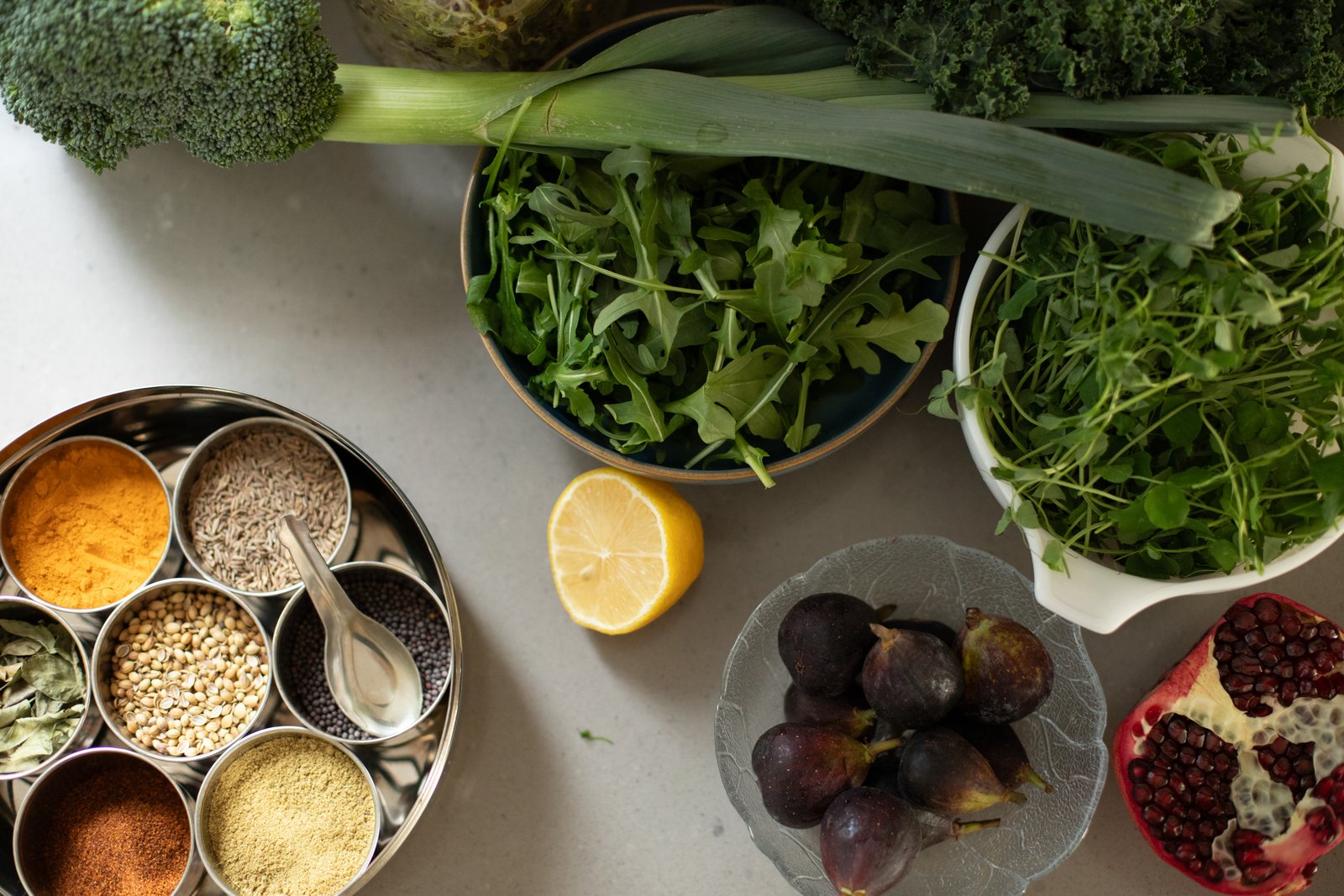
Think beyond fruits and vegetables. A sprinkle of cinnamon, a handful of walnuts, fresh basil, pumpkin seeds, blueberries and black beans all count toward your weekly diversity goal.

The Root and Reason Perspective

At Root + Reason, we believe health begins by addressing the root cause. Rather than asking which supplement to take, we encourage a different question:

How can I create an environment where my body can heal itself?

Supporting your microbiome is one of the most powerful places to begin. Every fibre-rich meal is an opportunity to nourish the trillions of microbes working quietly behind the scenes. In return, they produce compounds that help strengthen your gut lining, regulate your immune system, reduce inflammation and support healthy blood sugar, hormones, brain function and skin.

The bottom line

Sometimes the biggest improvements in health begin by feeding the smallest members of your body.

Learn More

This article is informed by both current microbiome research and the work of leading functional medicine and gut health experts.
The American Gut Project (McDonald et al., mSystems, 2018), on the relationship between 30 or more plant foods a week and greater microbial diversity.
Dr. Will Bulsiewicz, Fiber Fueled.
Dr. Megan Rossi, Love Your Gut and Eat More, Live Well.
Dr. Mark Hyman, Food: What the Heck Should I Eat? and Young Forever.

Dr. Jeffrey Bland, whose pioneering work established the systems biology approach used throughout functional medicine.

At Root + Reason we combine evidence-based research with a functional medicine approach, to help you understand why your body is sending the signals it is, and how simple, sustainable changes can restore health from the inside out.

Disclaimer. This article is for general education and is not medical advice. Please check with your healthcare provider before making changes to your diet or lifestyle, especially if you have a health condition or take medication.

Want Help Building an Environment Where Your Body Can Heal?

Book a free 20-minute discovery call and we will point you toward the right starting place for your gut, your hormones and your energy.

Keep Reading